
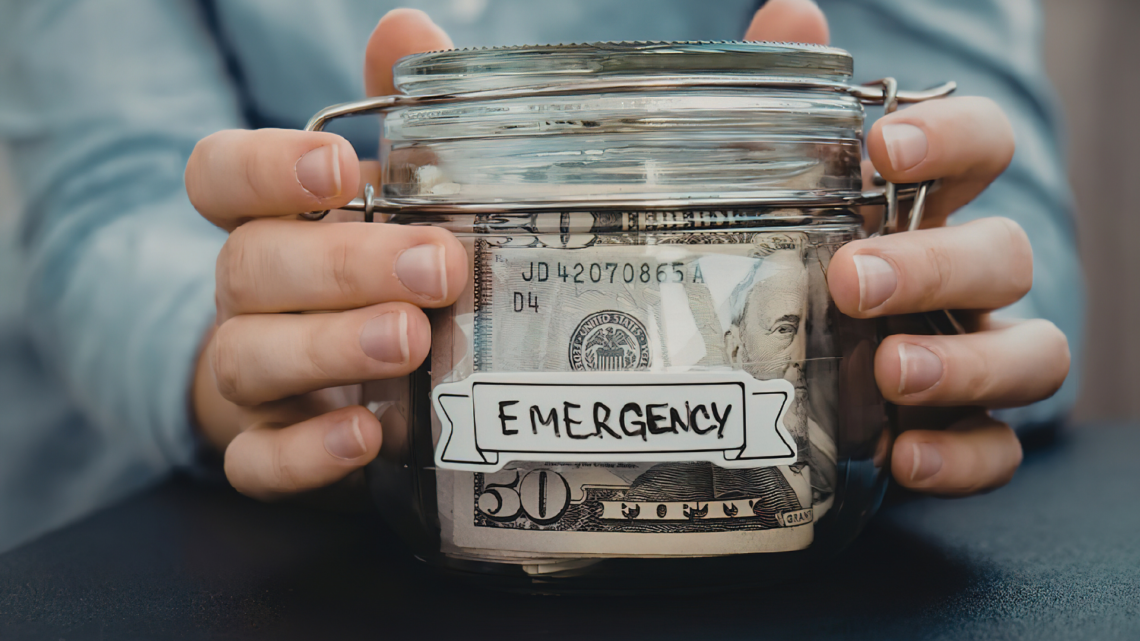
How to Build an Emergency Fund: A Clear, Step-by-Step Plan for Financial Security
You can start building an emergency fund by setting a clear target and automating small, regular transfers so the savings grow without constant effort. Aim for three to six months of essential expenses and stash that money in an easy-access account to cover unexpected costs.
They will learn practical steps to cut expenses, boost short-term income, and prioritize emergency savings over nonessential spending. The article guides you through a simple, step-by-step process so you can convert intention into a reliable financial safety net.
How to Build an Emergency Fund: Step-by-Step Process
This section shows practical steps to define the fund’s purpose, calculate a target, pick the right account, and set up saving systems that move money automatically. Readers get concrete rules for sizing the fund, choosing liquid, FDIC-insured accounts, and using habits and income boosts to reach the goal.
Defining an Emergency Fund and Its Purpose
An emergency fund is a separate savings balance kept to cover essential living expenses when income stops or unexpected costs arise. It exists to cover things like mortgage or rent, utilities, groceries, car repairs, home repairs, and medical bills without relying on credit.
They should treat it as a financial safety net, not a source for discretionary spending. Label the account “Emergency Fund” and keep it separate from checking and retirement accounts to protect savings and preserve privacy. Clear rules—what counts as an emergency—prevent creeping withdrawals.
Calculating Your Emergency Fund Target
- Start by totaling essential monthly expenses: rent or mortgage, utilities, insurance, food, transportation, and minimum debt payments. Use that figure to decide a target—commonly 3–6 months for single-income households and 6–12 months for variable-income or high-risk jobs.
- Use an emergency fund calculator or a simple formula: Emergency Fund Amount = Monthly Essential Expenses × Target Months. Factor in job stability, number of earners, and predictable irregular costs like annual insurance or expected medical procedures. Round up for peace of mind and re-evaluate the target after major life changes.
Choosing the Right Account for Your Emergency Savings
Prioritize liquidity and safety. Choose a separate, FDIC-insured account with easy access—options include a high-yield savings account (HYSA), money market account, or an online bank savings product.
Compare APYs, withdrawal limits, and any fees. Avoid tying the fund to investments with market risk. If convenience matters, link the emergency account to a checking account for fast transfers. Use two-tier storage—most funds in a HYSA and a small checking buffer to cover immediate needs—so transfers don’t delay bill payments.
Effective Saving Strategies and Automatic Transfers
- Start by “paying yourself first”: set up automatic transfers from checking to the emergency account each payday. Automate a fixed amount or a percentage; even small, consistent deposits build momentum.
- Boost contributions with windfalls: allocate annual bonuses, tax refunds, freelance income, or side-hustle earnings (Uber driving, freelance work) toward the fund. Cut discretionary spending temporarily or redirect employer benefits (company match adjustments should go to retirement, not the emergency fund) to accelerate progress.
Track progress monthly and increase transfers after raises. If liquidity becomes tight, prioritize essential expenses and pause noncritical savings, then restart automatic savings when feasible.

You May Also Like

Beginner Guide to Personal Finance: Clear Steps to Budgeting, Saving, and Investing

How Can I Avoid Picking Fights with My Siblings?