
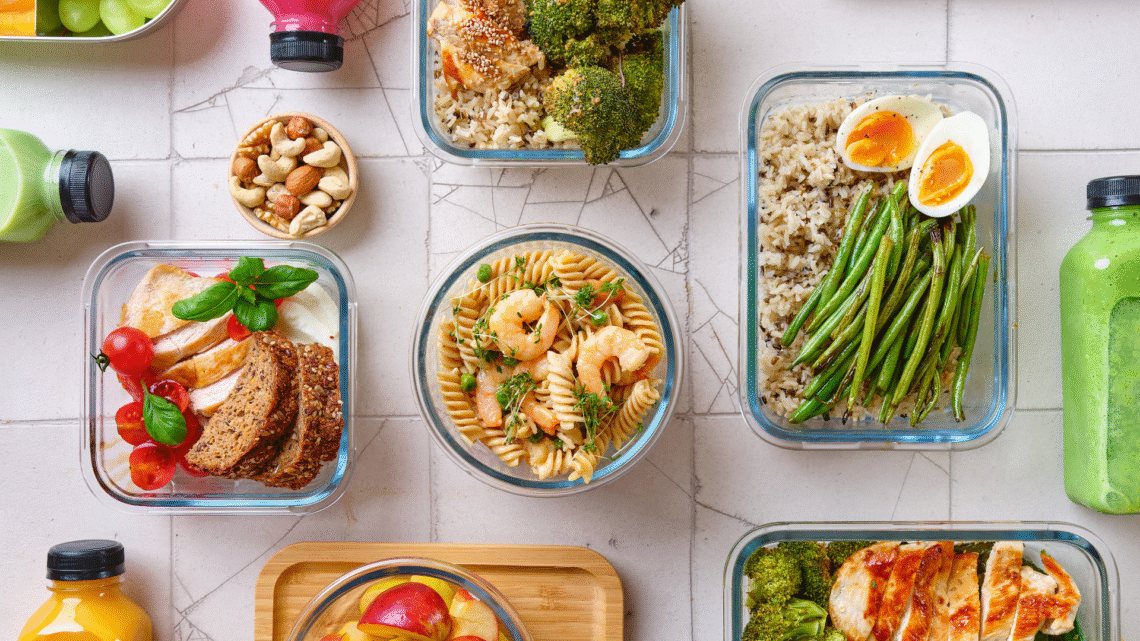
Budget-Friendly Meal Planning for Busy Families: Strategies for Success
With the demands of modern life, busy families often struggle to maintain healthy eating habits while staying within budget. Budget-friendly meal planning can simplify this process by providing organized, cost-effective menus that save time and money. By implementing strategies such as batch cooking and utilizing seasonal ingredients, families can enjoy nutritious meals without the stress of last-minute decisions.
Planning meals allows families to shop efficiently, reducing impulse purchases and food waste. Additionally, creating a flexible meal plan accommodates varying schedules, ensuring everyone can enjoy home-cooked meals despite their busy lives.
The benefits of a structured meal plan extend beyond cost savings; they enhance family bonding during meal preparation and dining. With the right approach, families can transform their dining experience, making it both enjoyable and sustainable.
Core Principles of Budget-Friendly Meal Planning
Effective meal planning requires a clear understanding of family needs, an achievable grocery budget, and a strategic use of pantry staples. These principles help families streamline their grocery shopping and save money while ensuring nutritious meals.
Understanding Your Family’s Needs
Each family has unique dietary preferences, allergens, and time constraints. Identifying these needs is fundamental in crafting a suitable meal plan. Conduct a quick survey within the household to gather insights on favorite foods and any aversions.
Consider potential time limitations as well. Busy families may prefer quick-preparation meals over complex recipes. Aim for a balance between favorite meals and new recipes to keep everyone engaged. This understanding sets the foundation for creating a meal plan that everyone will enjoy and stick to.
Setting a Realistic Grocery Budget
Creating a grocery budget involves assessing income and expenses. Start by calculating the family’s average monthly grocery spending. Use this figure to set a practical budget that allows for essential purchases without straining finances.
It’s beneficial to break down the budget into weekly allocations. For example, if the monthly budget is $600, that translates to $150 per week. Monitor grocery spending weekly to adjust allocations based on sales or unexpected expenses. This practice helps families stay on track while maximizing their purchasing power.
Maximizing Pantry Staples
Pantry staples are essential tools in budget-friendly meal planning. Items like rice, pasta, canned beans, and frozen vegetables can serve as the backbone of many meals. Building a well-stocked pantry allows for flexibility when planning meals.
When creating a family meal plan, incorporate these staples in different combinations. For example, a can of beans can be used in chili, wraps, or salads. Utilizing these ingredients reduces dependency on buying fresh produce or specialty items, leading to significant savings. Regularly rotating pantry inventory ensures that nothing goes to waste, thus enhancing budget efficiency.
Easy Strategies for Busy Families
Efficient meal planning involves structured meal plans, effective shopping lists, and time-saving meal prep techniques. These strategies help busy families save money and ensure nutritious meals.
Weekly Meal Plan Creation
Creating a weekly meal plan is essential for managing time and budget. Families can start by selecting meals that incorporate similar ingredients to reduce waste. Planning for 5-7 dinners with a variety of protein sources, vegetables, and grains helps maintain balanced nutrition.
Families should also consider including leftovers in the plan. Leftover usage can provide quick lunches or supplementary dinners, saving both time and money. Using a template for meal planning can simplify the process. By filling in the slots, families can create a robust plan in less time.
Effective Shopping List Preparation
An organized shopping list ensures that families only buy what they need. It is helpful to categorize the list by sections such as produce, dairy, and pantry items. Families should review their meal plans to identify required ingredients. This helps prevent impulse purchases that can inflate the grocery budget.
Using coupons can enhance savings when shopping. Apps or websites can be useful for tracking available discounts on frequently purchased items. Buying in bulk for non-perishables can also lead to cost savings. However, families must ensure they have storage space to prevent waste.
Meal Prep Techniques for Time Savings
Meal prep maximizes efficiency during busy weeks. Families can dedicate one day per week, often Sunday, to prepare ingredients or fully cook meals. Chopping vegetables or marinating proteins ahead of time saves cooking time during the week. Families can store these in labeled containers for easy access.
Batch cooking is another effective method. Preparing large quantities of meals and freezing portions for later use can significantly reduce weekday cooking times. Investing in quality storage containers helps keep food fresh. Clear containers also make it easier to see what is available in the fridge, encouraging healthy choices.
Affordable Meal Ideas and Recipes
Budget-friendly meal planning can include a variety of affordable ingredients. Families can use staple items like rice and pasta, seasonal vegetables, and protein sources to create nutritious meals on a budget.
Simple Dinners Using Rice and Pasta
Rice and pasta serve as versatile bases for various dishes. For a simple rice meal, consider a vegetable stir-fry with garlic, carrots, and steamed broccoli. This can be enhanced with soy sauce or herbs. Pasta dishes such as spaghetti with tomato sauce can be prepared quickly. Mixing in ground beef or mushrooms boosts flavor and protein. Adding cheese can elevate the meal, appealing to both children and adults. Creating a pasta salad with seasonal vegetables, a drizzle of olive oil, and herbs provides a refreshing option for warm evenings.
Nutritious Vegetable-Based Meals
Vegetable-based meals offer an affordable way to pack nutrition into family dinners. A vegetable curry made with seasonal veggies, such as broccoli and carrots, can be served over rice. This dish is not only budget-friendly but also filling.
Stuffed bell peppers with a mixture of rice, beans, and spices make a hearty vegetarian option. Roasted or grilled vegetables can serve as a side, making for a colorful and nutritious plate. Incorporating plant-based proteins, like lentils or chickpeas, ensures that families receive adequate nutrients without breaking the bank.
Protein-Rich Options for Every Diet
Protein is essential for balanced meals. For meat lovers, dishes featuring ground beef or chicken tacos are quick and affordable. Tacos can be filled with cheese, avocado, and garden-fresh salsa.
For plant-based diets, meals that include beans, lentils, or quinoa provide necessary protein. Preparing a chickpea salad with avocados, tomatoes, and herbs offers a satisfying lunch or dinner option. Egg dishes, such as frittatas loaded with vegetables, can be economical yet nutritious.
Healthy Snacks and Quick Fixes
Healthy snacks keep energy levels up for busy families. Peanut butter-banana cinnamon toast is quick and fills a craving between meals. This combination offers a nutritious boost while being budget-conscious.
Vegetable sticks, such as carrots and cucumbers, paired with hummus, make for a great snack option. Cheese and whole-grain crackers provide protein and carbohydrates, perfect for after-school snacking. Keeping these quick fixes on hand (like cornbread or granola bars) allows families to have affordable and wholesome snacks ready whenever they need energy.
Optimizing Meal Planning for Special Diets
Planning meals for special diets requires a strategic approach to ensure nutritional balance and family satisfaction. Recognizing specific dietary needs while utilizing available resources can help simplify this task.
Gluten-Free and Allergy-Friendly Options
When catering to gluten-free diets, it’s crucial to focus on whole foods like fruits, vegetables, lean meats, and legumes. Many grains like quinoa and rice are naturally gluten-free, providing essential nutrients. Reading labels is paramount to avoid hidden gluten in processed foods. Families should consider alternative flours such as almond or coconut flour for baking.
Incorporating allergy-friendly options can be as simple as substituting ingredients. For example, replace dairy with almond or oat milk. This adaptation can help in expanding the menu while keeping meals safe for everyone.
Incorporating Seasonal Produce
Using seasonal produce can enhance meal planning for families on special diets. Seasonal fruits and vegetables are often fresher, tastier, and more affordable. For instance, spring brings asparagus, peas, and strawberries, which can be included in salads, stir-fries, and snacks.
By planning meals around what’s currently available, families can not only save on costs but also enjoy diverse flavors. A rotating seasonal produce list can guide meal prep and grocery shopping throughout the year.
Accessible Resources and Books
Several resources are available to assist families in meal planning for special diets. Cookbooks dedicated to gluten-free and allergy-friendly recipes serve as great starting points. Notable examples include “The How Can It Be Gluten Free Cookbook” and “Allergen-Free Baker’s Handbook.”
Online platforms such as blogs and community forums provide recipes, meal plans, and tips. These resources can offer ideas tailored to meet specific dietary restrictions or preferences, enhancing family meals. Utilizing these tools can streamline the meal planning process, making it manageable for busy families.


You May Also Like

Tricks And Tips For Thrifting

Investing Strategies 101: Everything You Need To Know To Get Started