
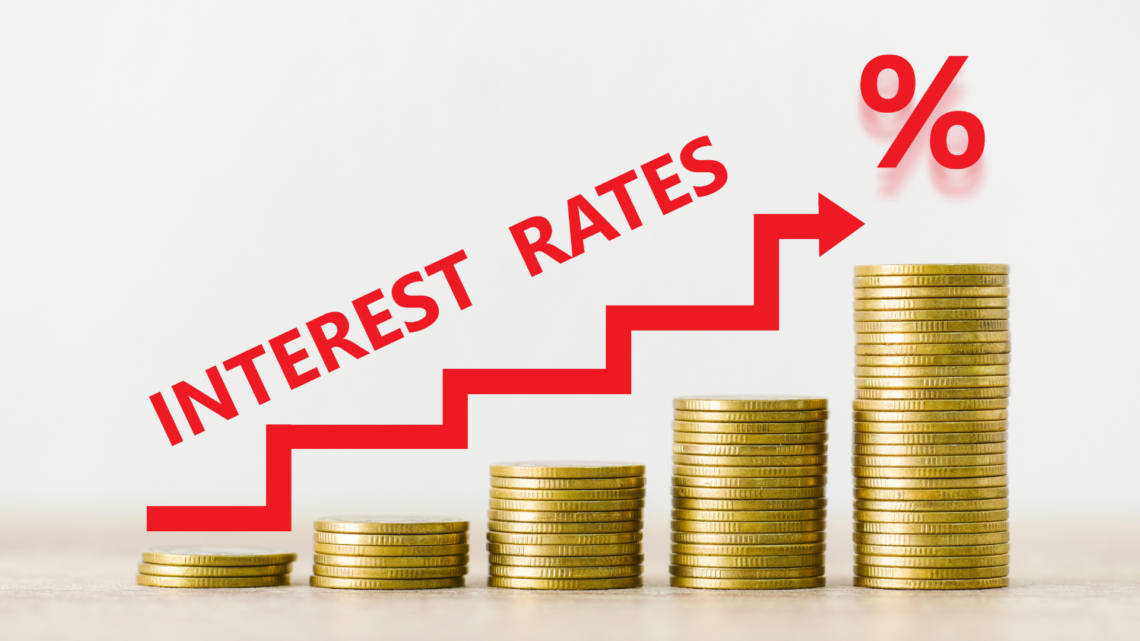
How Compound Interest Works: Clear Explanation, Examples, and Practical Tips
You will see money grow faster when interest is added to both your original amount and the interest already earned, so gains compound over time. Compound interest multiplies returns by reinvesting interest, making small, consistent contributions powerful over the years.
This piece explains what compound interest is and how it works, using clear examples and practical tips so you can apply it to savings, investments, or debt. It guides you through the mechanics, the math behind growth, and the choices that change outcomes, helping you decide when compounding helps or hurts your goals.
How Compound Interest Works
Compound interest increases the amount of money invested or owed by adding interest to the principal, so future interest is calculated on the growing balance. Small differences in rate, frequency, or time can produce large differences in final value.
Understanding Principal and Interest
The principal (P) is the initial amount deposited or borrowed. Interest is the fee paid for the use of money; it can be earned on a savings account, Roth IRA, mutual funds, or charged on credit card debt and loans.
Interest rate (annual percentage rate or APR for loans) determines how much interest accrues each year. For investments, the rate often represents the expected rate of return or dividend yield; for loans, APR includes fees and affects borrower cost.
Cumulative interest equals the total interest earned or charged over time. Regular contributions increase principal and accelerate compound growth; withdrawals reduce future compounding.
Compounding Frequency and Compounding Periods
Compounding frequency is how often interest is added to the account: annual, quarterly, monthly, or daily. More frequent compounding (daily vs. monthly) increases effective annual yield because interest earns interest more often.
Compounding periods equal the total number of times interest is applied: n = compounding frequency × time in years (t). For a five-year CD with quarterly compounding, n = 4 × 5 = 20. High-yield savings accounts and money market accounts often advertise APY that reflects frequent compounding.
Frequent compounding benefits savers; it increases the effective rate marginally. For borrowers, frequent compounding (as on some credit cards) increases the amount owed faster than simple interest.
Compound Interest Formula and How to Calculate
The standard compound interest formula: A = P × (1 + r/n)^(n×t).
A is the account balance after t years; P is principal; r is annual nominal rate (decimal); n is compounding frequency per year; t is time in years.
For regular contributions, use the future value of an annuity formula: FV = PMT × [((1 + r/n)^(n×t) − 1) / (r/n)], where PMT is each contribution. Use an interest calculator or a compound interest calculator to avoid manual error.
Example: $10,000 at 5% annual rate compounded monthly for 10 years: A = 10,000 × (1 + 0.05/12)^(120) ≈ $16,470. Tools like spreadsheets or investor.gov calculators provide exact results.
Compound Interest Versus Simple Interest
Simple interest = P × r × t; it accrues only on the initial principal. Compound interest reinvests interest, so interest earns interest, producing higher returns over time.
For short periods or low rates, the difference is small; for long time horizons, the gap widens significantly due to exponential growth. Lenders quoting APR may hide compounding details; always confirm whether the rate shown is nominal or effective (APY reflects compounding).
Credit card balances often compound daily, increasing borrower cost compared with simple interest loans, where interest is calculated only on principal.
Exponential Growth and the Power of Compounding
- Compound growth follows exponential math: value grows proportionally to its current size. That creates accelerating increases as time passes, especially with reinvestment like dividend reinvestment in mutual funds or regular contributions to a Roth IRA.
Small rate differences multiply over decades. The Rule of 72 estimates doubling time: 72 ÷ nominal annual rate ≈ years to double. For a 6% rate, money roughly doubles in 12 years.
This power affects purchasing power and long-term goals: inflation can erode real returns, so nominal growth must exceed inflation for real compound gains.
Impact of Interest Rate and Time
Higher interest rates and longer time horizons both increase compounded outcomes. Rate changes have a multiplicative effect, while time extends the number of compounding periods exponentially.
Time t multiplies n (periods per year) to set total periods (n×t). For retirement or emergency fund planning, starting earlier yields larger final balances even with identical contributions.
Conversely, debt held longer at a high APR, especially with daily compounding, inflates the total cost drastically; paying down balances early reduces cumulative interest.
Applications: Investments, Savings, and Debt
Savings accounts, high-yield savings, CDs (certificates of deposit), and money market accounts use compounding to increase balances. Investors leverage compounding via mutual funds, dividend reinvestment, and retirement accounts like Roth IRAs.
Loans—personal loans, student loans, and credit cards—also compound, often to the borrower’s detriment. Compare APR vs. APY and check compounding frequency shown on statements.
Tools like compound interest calculators help compare options: calculate the final value for different rates, frequencies, and contribution schedules to choose between savings, CDs, or investment vehicles.
Maximizing Benefits and Avoiding Pitfalls
Maximize benefits by starting early, contributing regularly, choosing higher but realistic rates (e.g., high-yield savings or well-diversified mutual funds), and reinvesting returns. Use automatic transfers to build principal over time.
Avoid pitfalls by minimizing high-APR debt, especially credit cards with daily compounding. Check fees and restrictions on accounts and understand whether quoted rates are nominal or APY.
Use calculators to model outcomes, consider inflation’s effect on purchasing power, and diversify investments to manage risk while harnessing the power of compounding.


You May Also Like

What Is Credit Borrowing

How to Find the Ideal Job Based on Your Passion